Light
Limit prolonged direct light on vulnerable materials.
Practical guidance for protecting books, printed photos, letters, documents, and paper keepsakes at home.
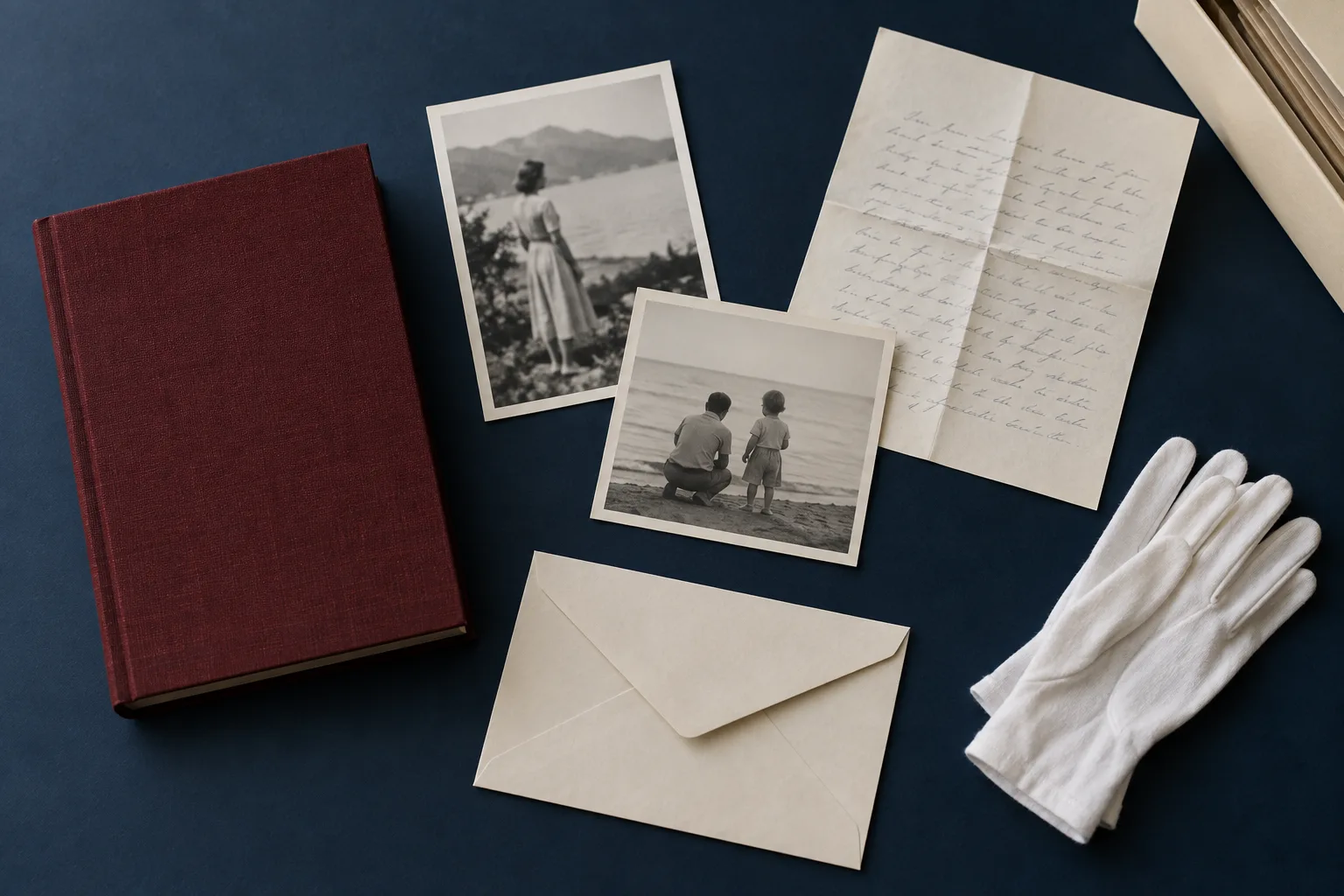
Begin with the material in front of you. Each section brings together storage, handling, display, and damage guidance.
Start with what you can see, smell, or feel before cleaning, flattening, or pulling anything apart.
Simple conditions often protect a collection better than complicated treatments.
Limit prolonged direct light on vulnerable materials.
Avoid damp rooms and repeated environmental swings.
Clean hands and proper support prevent avoidable damage.
Good enclosures protect without trapping harmful moisture.
Air it out, isolate it, or inspect it more closely?
Check the bookUnderstand the risk before trying to remove them.
Review the albumDecide what should be flattened, enclosed, or left alone.
Protect the papersPaperkeep articles translate recommendations from libraries, archives, museums, and conservation organizations into practical steps for home collections.
Explore the guides